6 February 2012

Harlequin-type ichthyosis

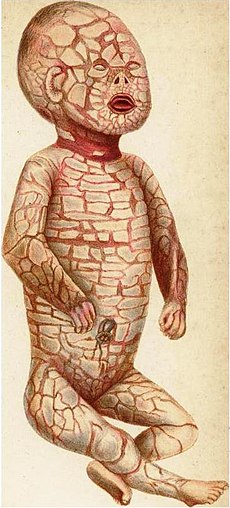
Also known as 'Harlequin baby' and 'Harlequin congenita', Harlequin-type ichthyosis is a skin disease characterised by a thickening of the keratin layer in fetal human skin. The sufferer's skin contains large, red, diamond shaped scales and the eyes, ears and genitals may be abnormally contracted. The cracked skin limit's the movement greatly, and allows bacteria and other contaminants to easily penetrate, resulting in serious risk of fatal infection. Restricted movement of the chest can lead to breathing difficulties and respiratory failure. Furthermore, it is more difficult for the affected infant to control water loss and regulate body temperatures.


It is caused by mutations in the ABCA12 gene, which provides instructions for making a protein essential for the normal development of skin cells. The protein plays a major role in the transport of lipids in the epidermis layer of the skin. Some mutations in the ABCA12 gene prevent the cell from making any ABCA12 protein. Other mutations lead to the production of an abnormally small version of the protein that cannot transport lipids properly. A loss of functional ABCA12 protein disrupts the normal development of the epidermis, resulting in the hard, thick scales characteristic of harlequin ichthyosis.


Symptoms
  • Severe cranial and facial deformities
  • Ears and nose may be absent or poorly developed
  • Ectropion  - everted or outward eyelids
  • Dryness of skin
  • Thickening of skin
  • Large, red scales
  • Deformed limbs
  • Polydactyly – more than the usual number of toes or fingers

Treatment
  • Isotretinoin
  • Symptomatic treatment - aimed at reducing the signs and symptoms for the comfort and well-being of the patient
  • Treat dryness
  • Treat infections


5 February 2012

Sherry's nightmare... Trichotillomania

Trichotillomania (trich for short) is a type of impulsive control disorder causing a repeated urge to pull or twist the hair until it breaks off. This may be hair on any parts of the body such as head, eyelashes, eyebrows and arms, and leads to thinning and bald patches. Some may even consume their own hair.  It is estimated that trich can start at around 11~13 years old, affecting around 4 people in 100, and women are four times more likely to be affected than men.

Symptoms
  • Uneven appearance to the hair
  • Bald patches or all around loss of hair
  • Bowel blockage (if hair is consumed)
  • Constant tugging, pulling, twisting of hair
  • Other self injury behaviours
  • Sense of relief, pleasure or gratification after hair pulling
Treatment
Some doctors/ experts disagree to the use of medication to treat trich, however, naltrexone and some serotonin reputake inhibitors have been shown effective in reducing some symptoms.


4 February 2012

Catch it, Bin it, Kill it! Swine Flu

What is swine flu?
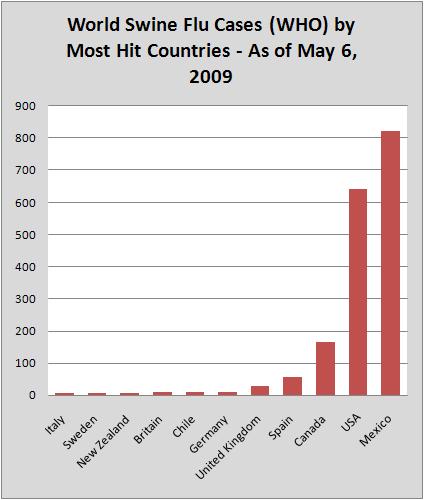
Swine flu is a respiratory disease caused by a strain of type A influence virus known as H1N1, which left 7447 infected and caused 3 deaths in the UK in 2009. It contains genetic materials that is typically found in strains of the virus that affect humans, birds and swine. It spreads by droplets from person to person by coughing and sneezing, and has similar symptoms to those produced by standard seasonal flu:

  • Fever
  • Cough
  • Sore throat
  • Body aches
  • Chills
Humans usually recover from standard flu in around a week. The H1N1 virus contain traces of the human flu, and so inherits the ability to transmit from human to human, while also contains traces from bird and swine flu and so is not recognised by our immune systems, and so antibodies cannot be produces.

Treatment
Two prescription antiviral drugs: tamiflu and relenza were proven effective in reducing the duration and severity of the infection


3 February 2012

Hiccups

Hiccups are caused by the sudden, involuntary contraction of the diaphragm (a thin membrane of muscle separating the chest cavity from the abdomen), resulting in the hiccup sound being produced at the top of the trachea. They are a reflex action and so you do not have any control over them. Some researchers in France believe suggest that it may be linked to how we have evolved from organisms that lived in the sea. They say hiccups may be a throwback to a time when our ancestors had gills to help them breathe.

Here are some remedies..
  • Drink about a half a teaspoon of pickle juice every 7-10 seconds until your hiccups stop.
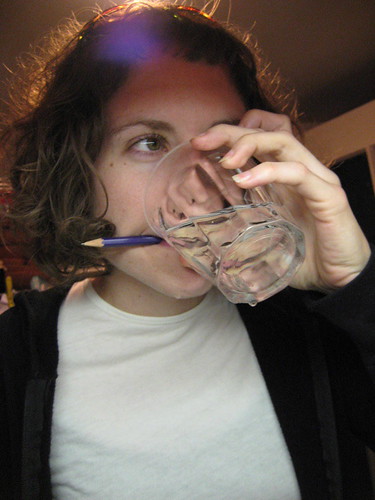
  • Drink a normal-sized gulp of water, but don't swallow! Leave the water in your mouth. Pull down both your earlobes. Tilt your head back. Swallow.
  • Drink a teaspoon of vinegar and this should cure hiccups unless you drink the last bit of vinegar in the bottle.
  • Just say purple dinosaur
  • Drink salt water, while doing a handstand, and pinching your nose.
  • A sudden fright

2 February 2012

What's in a cigarette?

In 1994, Brown and Williamson, one of the largest tobacco manufacturers in the USA, published a list of 599 additives used to make their cigarettes. The full list can be found here.

Ammonia is formed during distillation and burning, and helps the body to absorb more nicotine, boosting its effect. It is usually found in cleaning products and fertilizers, and toxic in large doses.

Nicotine present in the tobacco, produces a reaction with nicotonic receptors and produces effects on muscles and the brain, providing mild euphoria. Highly addictive.

Honey/ chocolate/vanilla for flavour.

Arsenic gives you bad breath, and is a deadly poison in large doses and prolonged exposure. It is also a carcinogen.

Benzene is absorbed by the lungs and transported to various organs such as the liver, where they are metabolized and converted into highly reactive and toxic compounds. Also a carcinogen.

Cadmium a toxic metal that is used in batteries.

1 February 2012

Formation and growth of tumorous cells

  1. Solid tumors are formed from cells with altered genetic material, causing it to respond differently to the host's growth regulators and leads to uncontrolled growth. 
  2. Early tumor cells can obtain enough nutrients from existing vasculture and so the proliferation rate is regular, producing growing spheroid of cells expanding at high speed. 
  3. As the tumor grows, the amount of nutrients that is able to diffuse through to the center decreases, and so the central cells become so deficient that division ceases, forming a region of dead cells known as a necrotic core. As the spheroid continues to develop, the outer most layer of cells become roughly constant in size leading to a phase of linear growth. 
  4. In order to grow beyond this limit, tumors require blood supply. This is achieved by the secretion of tumor angiogenesis factor (TAF), which diffuses across the tissue between the tumor and blood vessel, activating angiogenesis. 
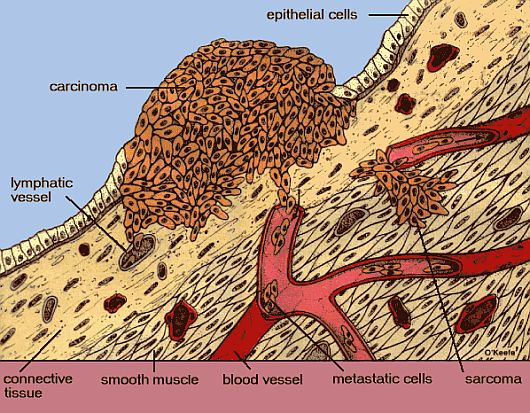
  5. Metastasis refers to spread of the cancer, and occurs when cancer cells break away from the primary tumour and enter the bloodstream or the lymphatic system where they are carried to other parts of the body. When a new tumour forms at a site away from the primary site, it is known as a "metastatic tumour".


31 January 2012

The Cell Cycle Clock and Cancer


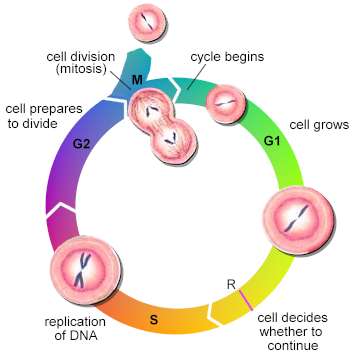
The cell cycle clock represents a normal cell life in four main stages.

Stage 1 Gap 1 (G1): the cell increases in size, and prepares to copy the DNA contained in its nucleus.

Stage 2 Synthesis (S): the chromosomes of the cell are replicated

Stage 3 Gap 2 (G2): the cell prepares for mitosis

Stage 4 Mitosis (M): the mother cell divides into two daughter cells, each containing a complete set of chromosomes. The two daughter cells immediately enter the G1 stage to continue the cycle.

Restriction point (R): a molecular switch which determines whether the cell continues the cell cycle, enters the G0 state (senescence) or undergoes apoptosis - programmed cell death. There are two classes of genes that play a major role in triggering cancer. Cells in the human body can only survive when their 'area code' where the cell is compatible with the code of the surrounding cells and the extra-cellular matrix. Therefore, normal cells die by apoptosis if they try to leave their cell structure. This is known as anchorage dependence. Proteins produced by oncogenes in cancer cells trick the nucleus by making it seem that the cell is attached to the correct region, while it is actually not. This allows cancer calls to migrate freely throughout the human body via the blood circulation system